
The pub lights burn amber over Corio Bay while the last tram rattles past the Geelong station forecourt, and half a dozen locals still stand with their coins lined on the bar top like they are waiting for a bus that never arrives. You have seen that posture before, the one that says the night is not finished until the reels settle, and you also know the quieter version where the same people go home lighter in the pocket because they treated the machines as paid amusement rather than a second income. That second version is the one worth learning, because the first version is how a casual evening turns into a week of explaining where the grocery money went. If you want to play pokie machines australia real AUD cash without the usual hangover, you start by treating the spin as a ticketed show and not a savings account.
I have spent three decades laying out reels for three hundred different titles, and the pattern that separates a good session from a bad one has almost nothing to do with luck and almost everything to do with how you frame the cost before you press the button. The machines are built to reward attention in the same way a well-cut suit rewards a good tailor, which is to say the fit matters more than the fabric, and a player who walks in without a plan is wearing something that will chafe by the third round. The trick is to decide what you are actually buying, because a spin on a pokies machine is a purchase of a few seconds of suspense, not a wager on your rent.
Why your wallet feels the pinch first
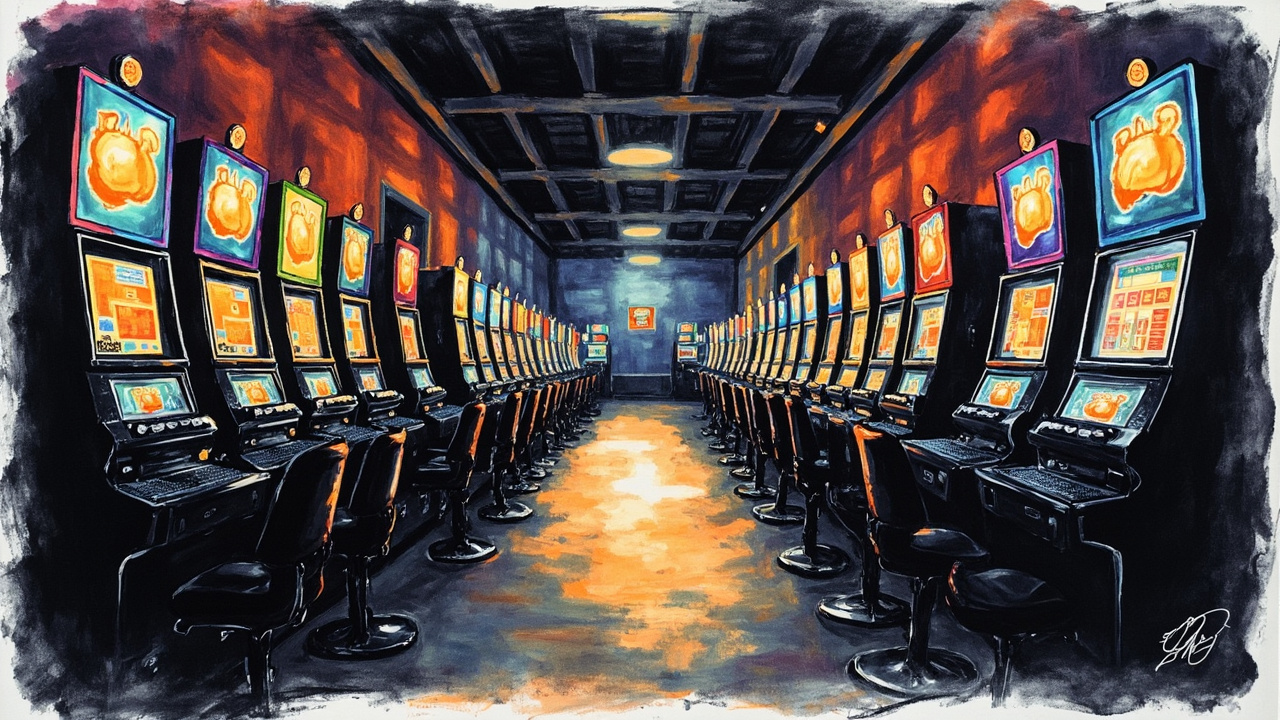
Most Australians who sit down to a machine are working against a budget that has already been stretched by the cost of living, and the payday rhythm in this country tends to leave a thin stretch between the fortnightly deposit and the next bill. That is the hour when a machine looks friendly, because the numbers on the screen look bigger than the numbers in your head, and the room around you is doing the same thing with its own money. A sensible first move is to set a hard ceiling on the session before you even walk through the door, then leave a little of that ceiling untouched so you can still afford a pie and a coffee afterward. You are not trying to win back the whole evening; you are trying to keep the evening from winning back you.
Geelong has its own tempo, and that tempo matters because the entertainment budget here often competes with the Saturday footy trip, the school run on Monday, and the decision about whether the car needs a new set of tyres before the next inspection. A player who treats the machines as a fixed entertainment line item, like a movie ticket or a round of ten-pin, usually walks away clearer-headed than the one who treats the same machines as a side hustle. The difference is not in the reels, which are the same in both cases, but in the question you ask yourself before the first coin drops.
The first spin is a test, not a statement
Sit down with a small amount and run a short observation window, say ten minutes, just to see how the machine talks to you before you commit any more than you meant to. You are not looking for a pattern in the symbols, because the symbols are decoration, and you are looking for the pace of the room, the way the machine asks for another spin, and whether your own hand is reaching for the button out of boredom or out of hope. A veteran designer knows that the best session is the one where you can still describe what you saw, which means the machine has not yet blurred your memory with a string of near misses.
The old approach, where you fed the machine a stack of notes and hoped the pace would slow down on its own, is a before-and-after comparison that does not flatter either version of you. The after version, where you decide the size of the bet and the length of the session in advance, tends to leave you with a story you can tell without wincing. The before version tends to leave you checking your phone for a transfer you should not have made, which is a different kind of story and a worse one.
Picking a machine that suits your headspace
A machine with a slower rhythm and a lower base bet is usually kinder to a wary player, because the pace gives you time to notice what you are doing and the smaller bet leaves room for a mistake. You do not need the loudest cabinet in the room, and you do not need the one with the most flashing lights, because those features are selling the atmosphere rather than the arithmetic, and the arithmetic is the only part that will sit on your bank statement later. If you are the sort of person who likes a theme, pick one that you would enjoy even if it never paid a cent, because then the session is still a small entertainment purchase even when the payout is thin.
I have watched players choose machines for the wrong reasons for thirty years, and the ones who last are the ones who pick for the rhythm and not for the promise. A cabinet that asks for a bet you can afford to lose is a better companion than a cabinet that asks for a bet you can only afford to dream about, and the difference shows up by the end of the night in the way you walk out of the room.
How the reels actually work, without the mystique
The reels on a modern machine are governed by a random number generator that decides the outcome before the symbols stop moving, which means the spinning is theatre and not a negotiation. That is not a disappointment once you understand it, because it means the machine is not keeping score against you in the way a person might, and it also means your job is to manage the cost of the theatre rather than to outguess the curtain. A player who knows this usually stops arguing with the screen and starts arguing with his own budget, which is a more winnable fight.
You can compare it to a stage play where the ending is fixed before the audience arrives, and your ticket buys you the right to sit in the seat rather than the right to rewrite the script. The analogy is not flattering to the machine, but it is honest, and honesty is the only useful thing to carry into a session where you have already been burned once.
Setting a limit you can actually keep
Write the limit down somewhere you can see it, and make it a number you would not mind losing entirely, because a limit you would mind losing is a limit you will bend the moment the room gets loud. A good rule of thumb is to treat the session as a fixed entertainment cost, like a night at the pictures, and to walk away the moment that cost has been spent, whether the machine has been generous or not. The discipline is not glamorous, but it is the only thing that keeps a cautious player from becoming an ex-player who tells the story with a tight jaw.
Some players use a timer, and some use a note on the phone, and some just count the spins and stop at a round number, but the method matters less than the fact that you have one. A session without a method is a session that belongs to the room, and the room is very good at borrowing money that was never meant to be lent.
Reading the paytable without getting sold a dream
The paytable tells you what the machine promises to pay for the symbols you are actually chasing, and it is worth a glance before you commit because it tells you whether the game is asking for a small bet on small prizes or a larger bet on a larger prize. You are not reading it for a guarantee, конкретнее because there is no guarantee in a random game, and you are reading it for the shape of the thing so you know what kind of suspense you are paying for. A machine that pays frequently in small amounts is a different experience from a machine that pays rarely in larger amounts, and the difference matters if you are the sort of player who likes to feel the night moving.
I have seen players fall in love with a theme and ignore the paytable entirely, which is like buying a car because of the colour and then being surprised by the fuel bill. The paytable is the fuel bill of the machine, and it is the part that will tell you whether the night is going to be a cheap entertainment or an expensive one.
Cash, cards and the money that moves fastest
Real AUD cash has a weight to it that a card does not, and that weight is useful because it makes the cost visible in a way that a tap on a terminal does not. A player who starts with coins or notes can feel the pile shrink, and a player who starts with a card can lose track of the pile entirely, which is why the cautious player often prefers the tangible version for a first session. The machine does not care which form the money takes, but you should care, because the form changes the way you remember the night.
You can still use a card for convenience, but the card works best when you have already decided the amount and are using the card only as a wrapper for that amount, not as a bottomless purse. A tap is fast, and speed is exactly what you do not want when you are trying to keep a wary head on your shoulders.queen of nile pokie for Aussie players
Where to sit and how to leave without fuss
A seat near the edge of the room is usually better for a cautious player, because it lets you see the whole room and the whole exit, and it lets you leave without pushing through a crowd of people who are still in the middle of their own stories. The location matters less than the habit of noticing when the session has stopped being fun, because the fun is the only thing you are actually paying for. A player who can name the moment when the fun ended is a player who can leave before the night turns into a bill.
Geelong has a habit of throwing a sea breeze through the room just as the session is getting loud, and that breeze is a useful reminder that the night is still the night and the machine is still only a machine. You do not need to win the room to enjoy the room, and you do not need to win the machine to enjoy the machine, which is a useful thought when you are the sort of person who has been burned before.
The tax question that does not apply here
A natural in craps is a 7 or 11 on the come-out roll, which is a clean start and a lucky one, and it is the sort of thing that makes a table feel friendly for a minute. The point of mentioning it is that some games have moments that feel like a clean break, and pokies do not, because the machine is not keeping score in the way a table does and the room is not waiting for a come-out roll. A player who expects a clean break in a pokies session is expecting something the machine was never built to give.
In the US, by contrast, gambling winnings are generally taxable income, which is a different arrangement from the one you are sitting in, and it is worth knowing the difference so you do not import the wrong expectations into the wrong room. The local arrangement is not a tax document and not a savings plan, and the player who treats it as neither usually has an easier night than the one who treats it as both.
Team play is not your game, and that is fine
Team play spreads risk and disguises big bets among spotters and big players, which is a method for a different kind of room and a different kind of player, and it is not the method for someone who is trying to keep a small session small. You are not trying to disguise anything, and you are not trying to spread anything, because the point of a cautious session is to keep the cost visible and the exit easy. A solo player with a limit is playing a different game from a team, and the difference is a good one for the sort of person who has learned the hard way.
Matilda Henderson, Sports Betting Analyst at Tasman Gaming Partners, puts it plainly: “The players who last are the ones who treat the session as a fixed cost and not a fixed hope, because hope is the thing that gets expensive first.” Her view is not a promise and not a guarantee, but it is a useful way to judge the night before you hand over the first coin.
If you want a quiet place to test the feeling without the noise of a crowded floor, the queen of nile pokie for Aussie players is one option that keeps the session in the same register you started with, and the neighbour next door, a broader Australian casino international site, is worth a look if you want to compare the room before you commit. The comparison is useful because it lets you see whether the pace suits you before you spend the amount you meant to spend.Casinointernational
The last practical tip is to decide the amount you are willing to spend before you leave the house, then leave a little of that amount unspent so you can still afford the walk home and the coffee afterward. A session that ends with a small amount still in your pocket is a session that went the way you wanted it to go, and that is the only win that matters for the sort of player you are.
